
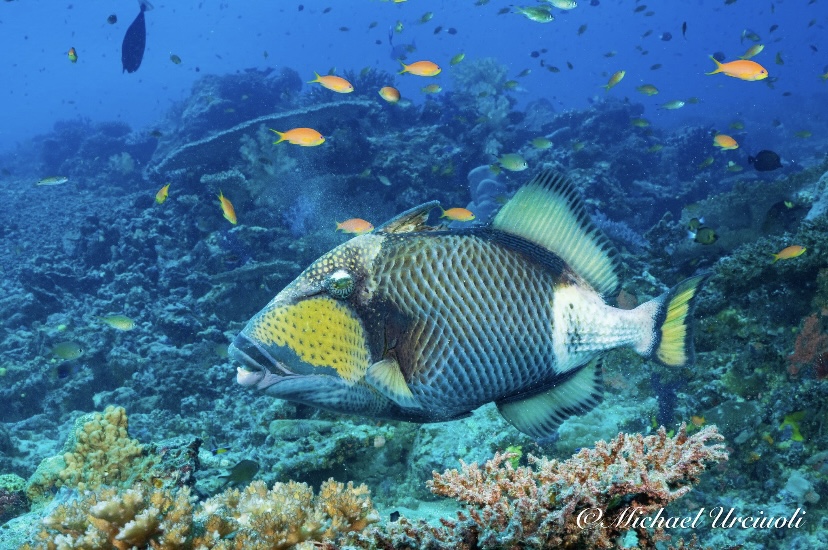
You are looking for adventure and plan to snorkel or dive the world-famous Rainbow Reef in Fiji. Welcome to one of the world’s most spectacular underwater destinations! The Rainbow Reef, located in the Somosomo Strait between Taveuni and Vanua Levu in Fiji, is renowned for its vibrant soft corals and incredible marine biodiversity. Whether you’re a complete beginner or looking to take your first dive, this guide will help you prepare for an unforgettable marine adventure.
Why the Rainbow Reef?
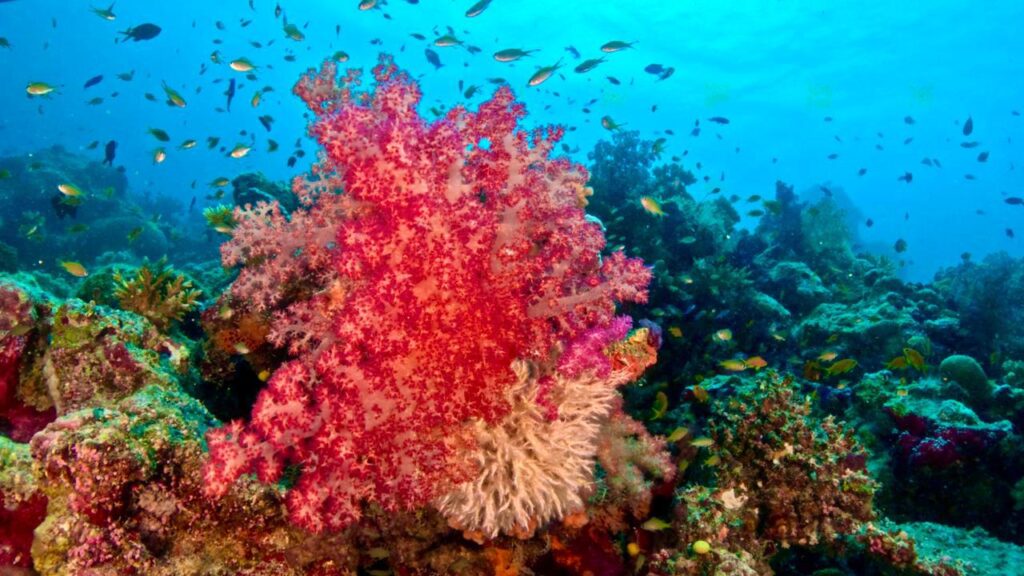
The Rainbow Reef earned its name from the kaleidoscope of colourful soft corals that blanket the reef system. The nutrient-rich waters flowing through the Somosomo Strait create ideal conditions for these corals to flourish, painting the underwater landscape in brilliant purples, oranges, yellows, and reds. Beyond the corals, you’ll encounter tropical fish, sea turtles, rays, and if you’re lucky, even dolphins or reef sharks.
The reef is perfect for beginners because it offers excellent visibility, warm water temperatures year-round, and dive sites suitable for all experience levels.
Snorkelling for Beginners
Getting Started
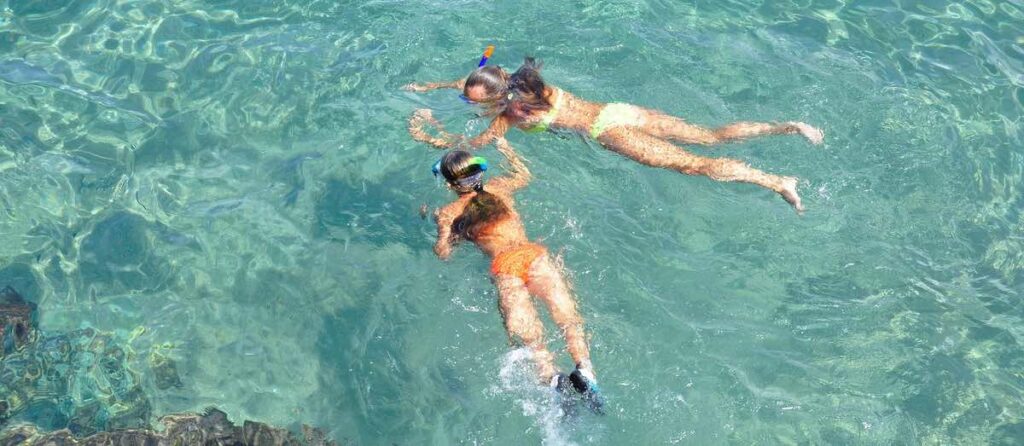
Snorkelling is the easiest way to experience Rainbow Reef’s underwater beauty. You don’t need certification, expensive equipment, or extensive training. If you can swim and feel comfortable in the water, you can snorkel.
What You’ll Need:
- Mask and snorkel (usually provided by the tour operator)
- Fins (provided by the tour operator)
- Rash guard or wetsuit for sun protection
- Reef-safe sunscreen
Basic Technique
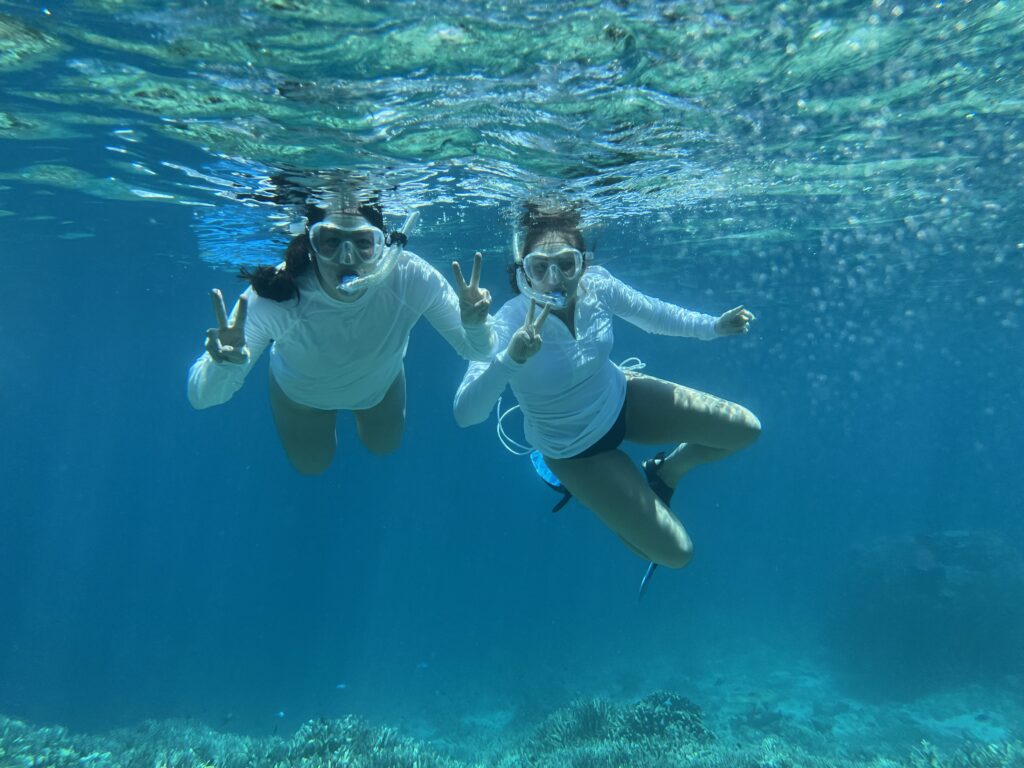
The key to enjoyable snorkelling is relaxation. Float face down on the surface, breathing slowly and deeply through your snorkel. Keep your body horizontal and use gentle fin kicks to move forward. If water enters your snorkel, simply blow forcefully to clear it or lift your head above water.
Pro Tip: Be aware of putting sunscreen on your face before you go snorkelling, as this can cause the mask to move and allow water to enter.
Best Snorkelling Spots
Purple Wall
Despite its name suggesting a deep dive site, the shallower sections offer phenomenal snorkelling with soft corals visible just below the surface.
Jerry’s Jelly
A protected area with calm waters, perfect for first-timers. The shallow reef here is alive with colourful fish and gentle currents.
Cabbage Patch
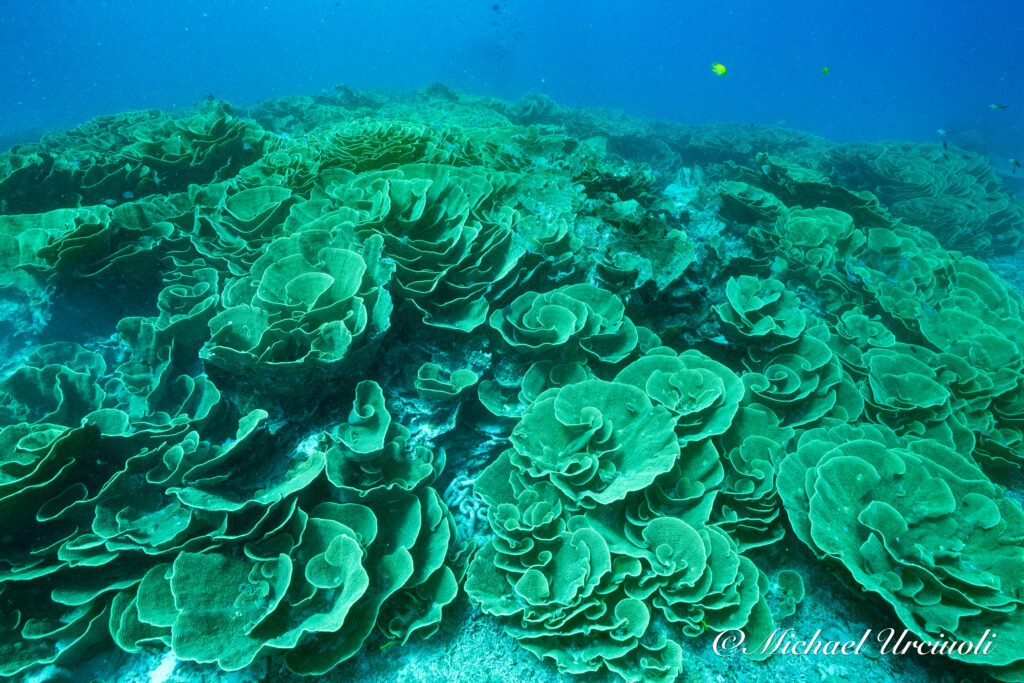
Named for the leather corals that resemble underwater cabbages, this site offers easy snorkelling in relatively shallow water with plenty to see.
Snorkelling Tips
Practice in shallow water first to get comfortable with your equipment. Never touch the coral (it’s both fragile and sometimes sharp or stinging). Stay aware of currents and always snorkel with a buddy. Most importantly, relax and take your time – there’s no rush underwater. Taveuni Palms offers snorkel excursions on their private resort boat. You will have a boat captain and snorkel guide who will take care of everything and show you the best snorkel spots.
Scuba Diving for Beginners
Your First Steps
If you’re interested in diving but have never tried it, you have several options at the Rainbow Reef.
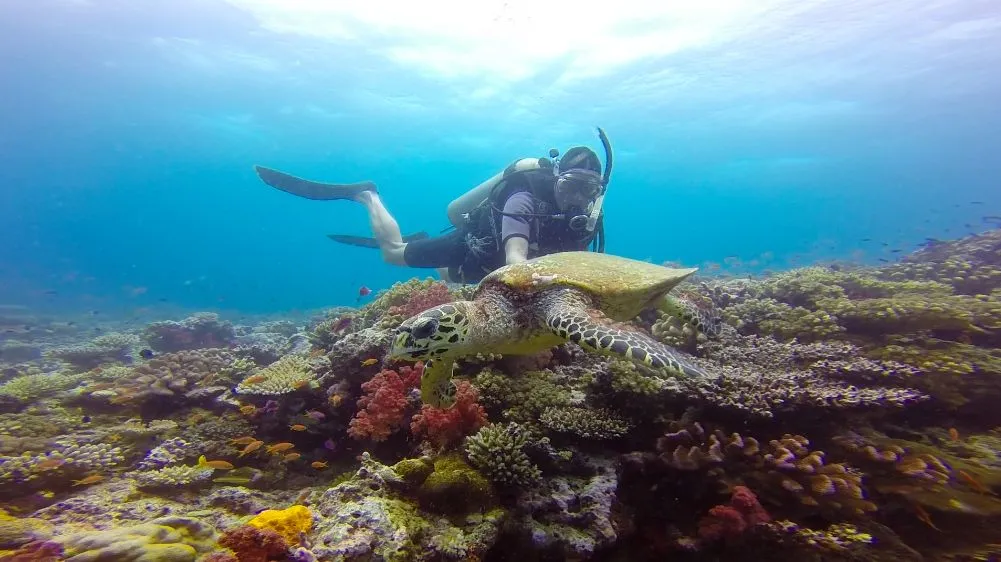
Discover Scuba Diving (DSD)
This introductory program lets you try diving under direct instructor supervision without committing to a full certification course. You’ll spend time learning basics in shallow water before making a guided dive to about 12 meters (40 feet).
Open Water Certification
If you’re ready to commit, getting your Open Water Diver certification typically takes 3-4 days and qualifies you to dive to 18 meters (60 feet) anywhere in the world. Many resorts near Rainbow Reef offer certification courses.
Prerequisites
You need to be reasonably comfortable in water and in good health. You’ll complete a medical questionnaire, and some conditions may require a doctor’s clearance.
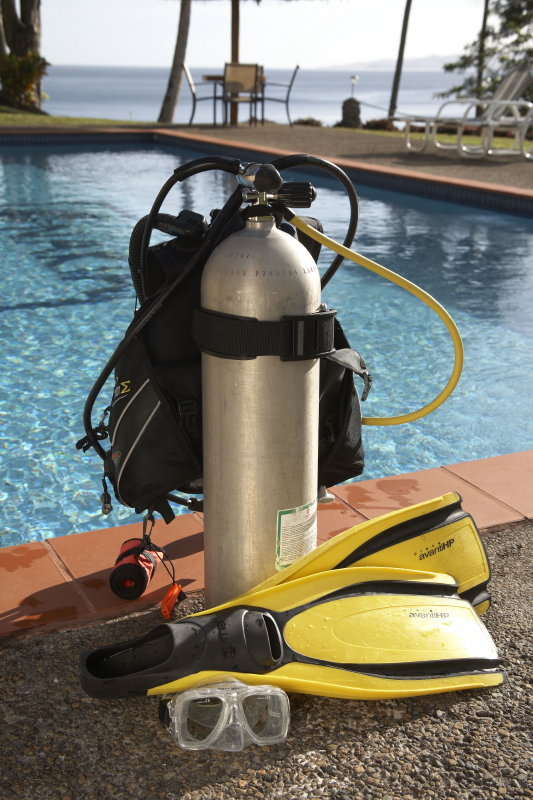
What to Expect on Your First Dive
Your instructor will teach you essential skills like clearing your mask underwater, recovering your regulator (the breathing device), and controlling your buoyancy. The training pool session or confined water dive gives you a chance to practice before entering the ocean.
Your first ocean dive will be relatively shallow and closely supervised. The sensation of breathing underwater feels strange initially, but most people adapt within minutes. The key is to breathe slowly and deeply, never hold your breath, and stay calm.
Beginner-Friendly Dive Sites
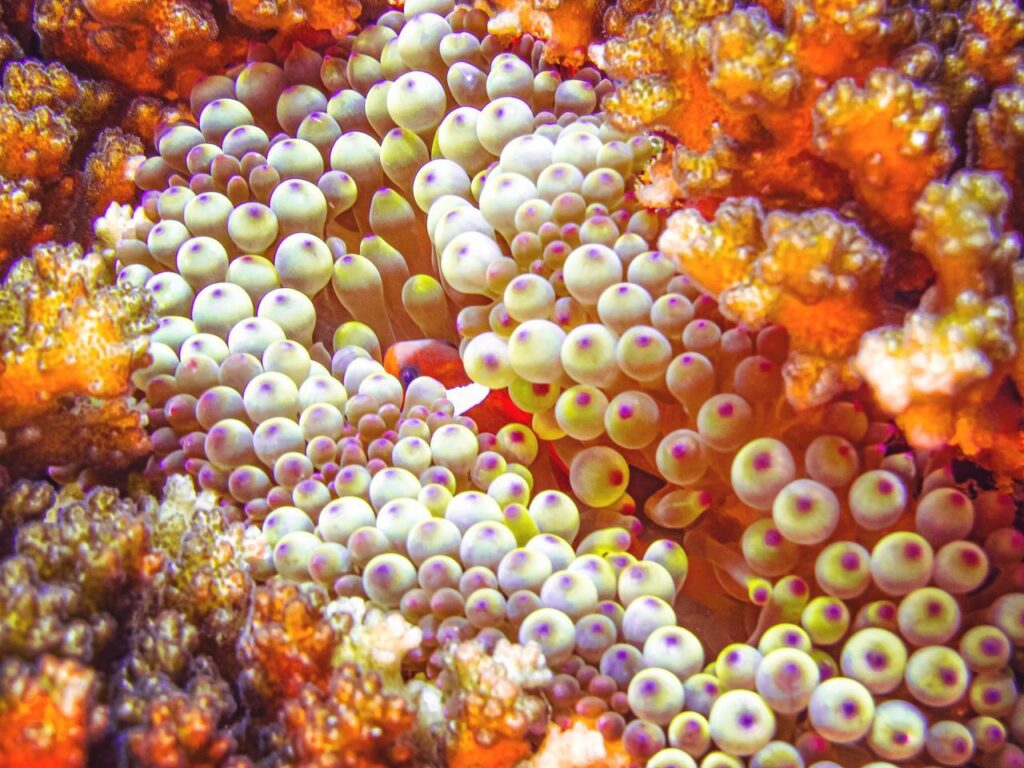
Annie’s Bommies
A series of coral pinnacles rising from the sandy bottom, this site offers an easy dive in protected waters with abundant fish life.
The Ledge
Starting in shallow water, this gently sloping reef is perfect for new divers to practice their skills while seeing beautiful soft corals and tropical fish.
Coral Gardens
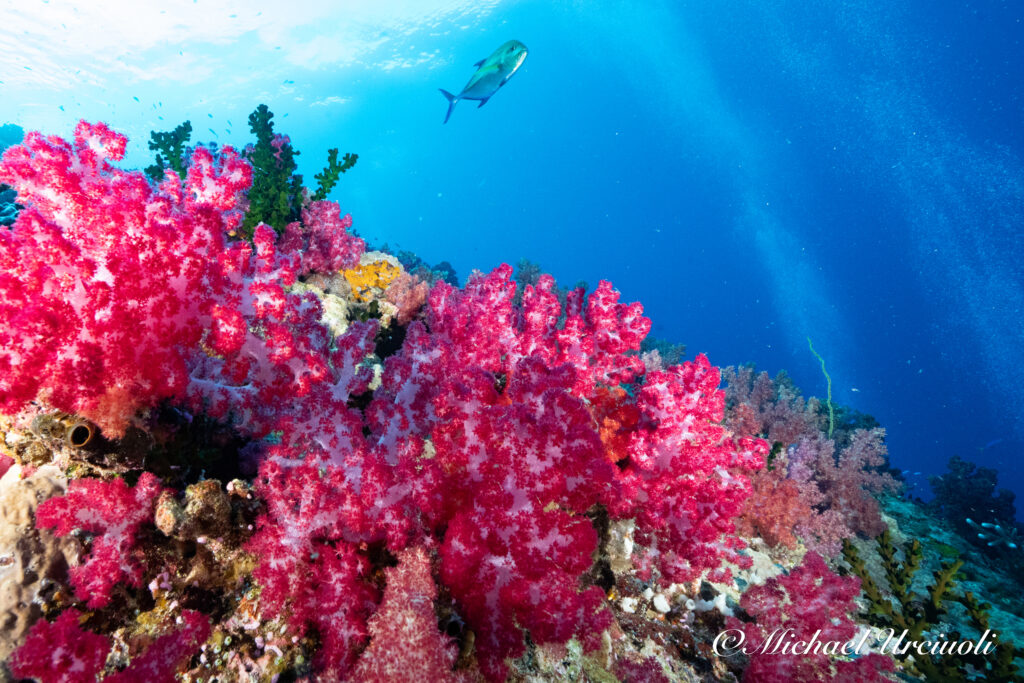
Living up to its name, this site features extensive hard and soft coral formations in shallow to moderate depths, ideal for building confidence.
Practical Information
Best Time to Visit
The Rainbow Reef is great to dive all year round, conditions are typically best from April to October during Fiji’s dry season. Water temperature ranges from 25-29 °C (77-84°F ), and visibility often exceeds 30 meters (100 feet).
What to Bring
- Swim certification or proof of dive certification
- Underwater camera
- Dive logbook if you’re certified
- Reef-safe sunscreen
- Light rashguard or wetsuit
- Motion sickness medication if you’re prone to seasickness
Choosing an Operator
Select operators who prioritise safety, limit group sizes, and demonstrate environmental responsibility. Look for PADI-certified instructors and operations with good reviews. Many resorts have in-house dive centres, or they partner with local independent operators who complement their services.
Marine Life to Look For
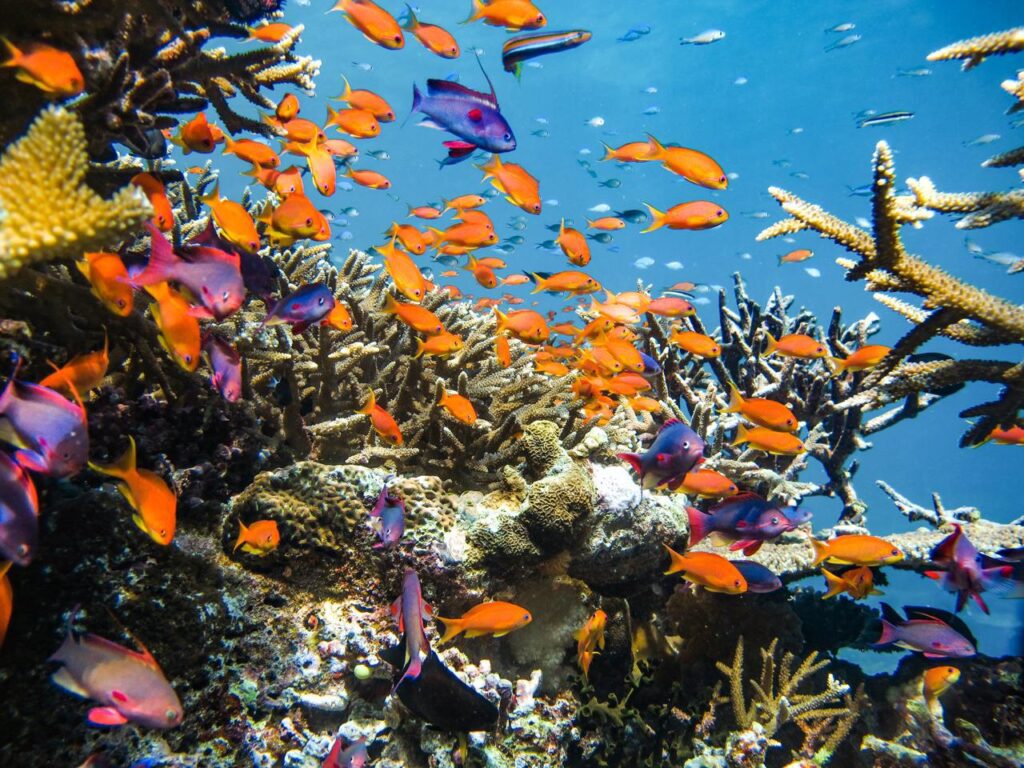
The Rainbow Reef hosts an incredible diversity of marine species. Keep your eyes open for clownfish hiding in anemones, large Napoleon wrasse cruising the reef, schools of barracuda, colourful nudibranchs, graceful eagle rays, and the occasional white-tip reef shark. The soft corals themselves are the stars of the show, especially when the current flows and they extend their polyps to feed, creating an underwater garden of impossible colours.
Safety First
Always dive or snorkel with a reputable operator, never alone. Listen carefully to your guide’s briefing about conditions, currents, and potential hazards. Stay within your comfort zone and training limits. The ocean deserves respect, but with proper preparation and guidance, the Rainbow Reef offers a safe and awe-inspiring introduction to the underwater world. Taveuni Palms partners with a highly experienced local dive operator who offers complimentary pick-up and drop-off to the resort. The resort consistently receives excellent feedback from guests about their dive excursions.
Conservation Matters
The Rainbow Reef remains pristine because visitors and locals work to protect it. Never touch or stand on coral. Avoid stirring up sediment with your fins. Don’t chase or harass marine life. Use only reef-safe sunscreen. Consider participating in reef cleanup dives or supporting local marine conservation efforts.
Ready to Dive In?
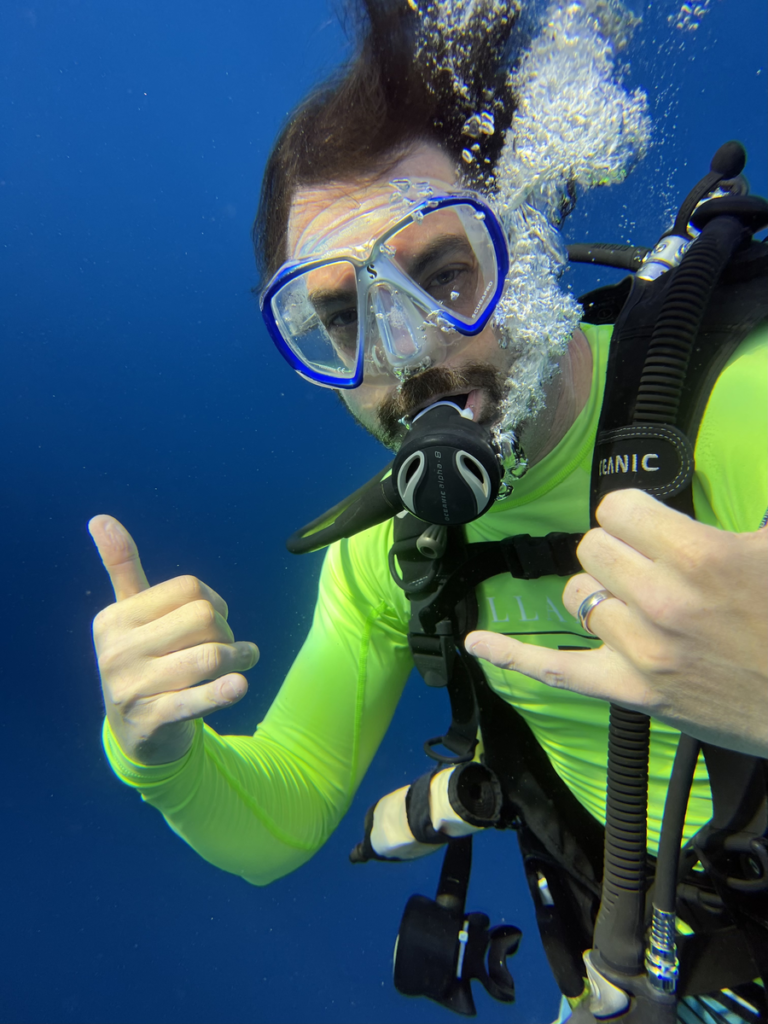
The Rainbow Reef offers an unparalleled introduction to the underwater world. The vibrant colours, diverse marine life, and excellent conditions create the perfect environment for beginning your snorkelling or diving journey. Whether you’re floating on the surface watching the reef below or descending into the blue for your first breaths underwater, the Rainbow Reef promises an experience you’ll never forget.
The ocean is calling – are you ready to answer?